One of the greatest achievements of modern medicine is not only treating illnesses, but preventing them. The key to a healthy life is often found in the steps we take before we ever need a hospital. At Protectiva Health Foundation, in this article we focus on hygiene and preventive measures—the cornerstone of public health.
Why “Hygiene First”?
Hygiene is far more than a basic cleaning habit; it is one of the strongest shields against the spread of infectious diseases. With good hygiene practices:
- The risk of infections is reduced.
- Global health threats such as antibiotic resistance can be mitigated by reducing unnecessary infections and, in turn, unnecessary antibiotic use.
- Vulnerable groups—especially children and the elderly—are better protected.
Small Actions That Save Lives
Here are a few essential preventive steps we can take before illness comes knocking:
- Proper Hand Hygiene: Washing hands with soap for at least 20 seconds can significantly reduce the spread of contagious diseases.
- Regular Health Screenings: Even without symptoms, routine check‑ups help detect chronic conditions early, when they are easier to manage.
- Safe Food and Clean Water: Food hygiene and access to safe drinking water play a primary role in preventing digestive system illnesses and many infection‑related diseases.
Protectiva’s Vision for Preventive Health
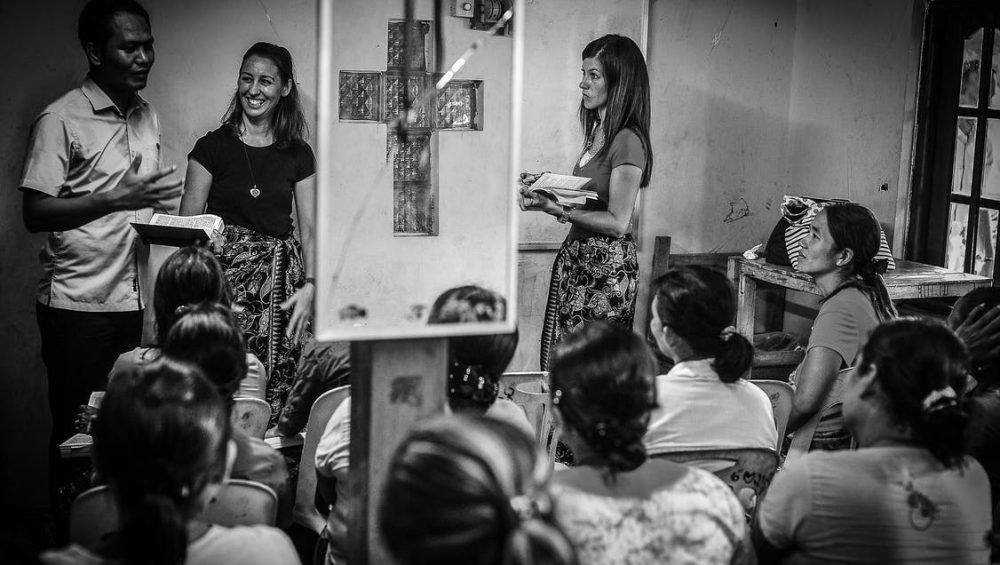
We believe support should not begin only when people are already sick—support should also exist wherever health is being protected. As a foundation, we distribute hygiene kits in disadvantaged areas, provide hygiene education in schools, and reach at‑risk individuals through preventive screenings. Our goal is to help build communities where fewer people need treatment because more people are protected.
“Hygiene is not just a habit—it is an expression of respect for life.”
You Can Support This Work
Your support is invaluable in spreading health awareness and reaching regions where people lack access to basic hygiene resources. You can help a child gain access to clean water or enable a family to receive hygiene education.
Remember: prevention is not only easier than treatment—it is often more life‑saving.